Unlocking the Truth: Who Really Has Access to Your Home After Hiring Cleaners?

When you hire a cleaning service through an online marketplace, you expect your home to be in safe hands. You trust that the person who shows up will respect your space and belongings. But have you ever stopped to wonder who actually holds the keys to your home after you book a cleaner? The reality behind cleaning marketplaces reveals a complex web of access, security risks, and privacy concerns that many homeowners overlook.
Understanding who has access to your home is crucial for protecting your privacy and safety. This article explores the hidden side of cleaning marketplaces, how keys are managed, and what you can do to keep control over your home.
How Cleaning Marketplaces Work with Keys
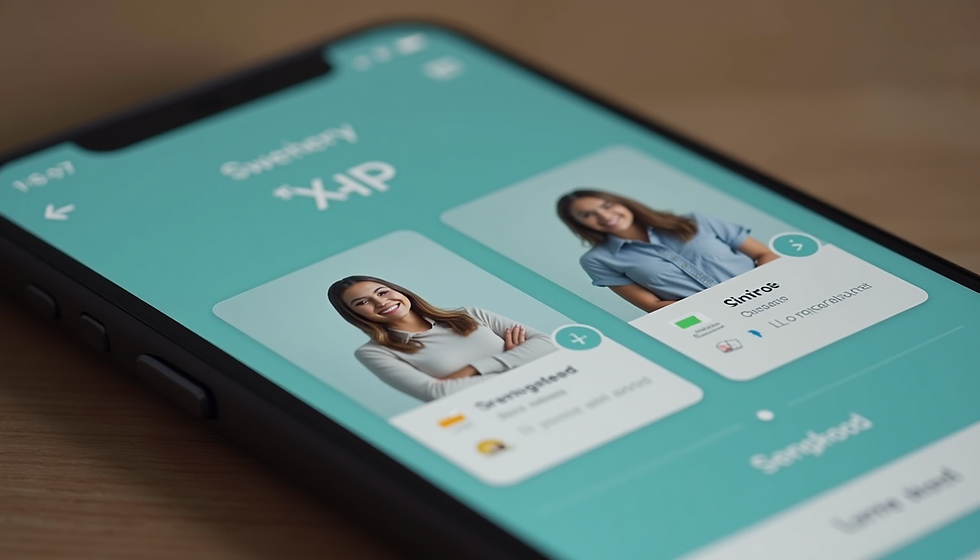
Cleaning marketplaces connect homeowners with independent cleaners or cleaning companies through an app or website. Once you book a service, the platform often facilitates key exchange so cleaners can enter your home without you being present.
There are several common ways keys are handled:
Physical Key Exchange
Some platforms require you to hand over a physical key to the cleaner or a local agent. This might happen in person or via a lockbox. The cleaner then uses the key to access your home during the scheduled time.
Smart Locks and Digital Access
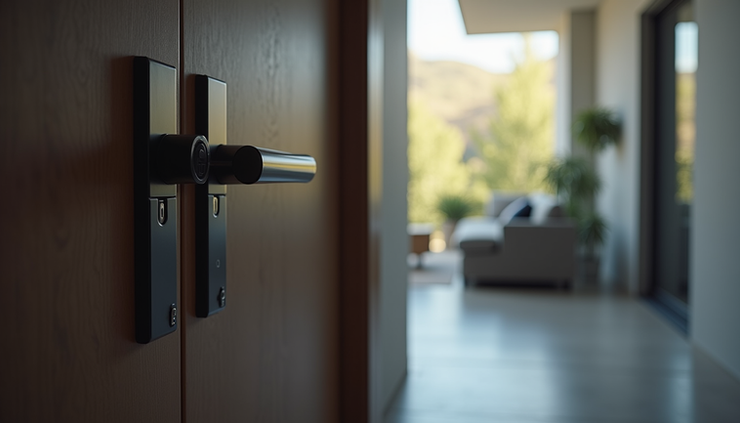
Increasingly, marketplaces integrate with smart lock systems. You can grant temporary digital access codes that expire after the cleaning session. This method avoids handing over physical keys but depends on technology and platform security.
Third-Party Key Custodians
In some cases, marketplaces use third-party services to store and manage keys. These custodians handle key distribution and collection, adding another layer between you and the cleaner.
Each method has pros and cons, but all involve some level of trust that your keys won’t be misused.
Risks of Sharing Your Keys Through Marketplaces
Handing over your keys, whether physical or digital, carries risks that many homeowners don’t fully consider:
Unauthorized Access
Keys can be copied or shared without your knowledge. A cleaner might lend the key to someone else, or a third-party custodian could mishandle it. This increases the chance of unauthorized people entering your home.
Lost or Stolen Keys
Physical keys can be lost or stolen during transit or while in possession of cleaners. Replacing locks can be costly and inconvenient.
Privacy Concerns
Cleaners have access to your personal space and belongings. If the marketplace does not thoroughly vet cleaners or lacks strict policies, your privacy could be at risk.
Data Breaches and Digital Access
If you use smart locks connected to a marketplace app, a data breach could expose your digital keys. Hackers might gain access to your home remotely.
Lack of Transparency
Marketplaces often do not disclose how many people have access to your keys or how keys are tracked. This lack of transparency makes it hard to hold anyone accountable if something goes wrong.
Real-Life Examples Highlighting the Risks
Several incidents have brought attention to the dark side of cleaning marketplaces:
In 2019, a homeowner in London found out that a cleaner had duplicated the key and entered the house multiple times without permission. The marketplace had no clear policy on key control.
A family in New York reported a break-in after a cleaning service lost their physical key. The locksmith had to replace all locks, costing hundreds of dollars.
A data breach in a popular smart lock company exposed temporary access codes linked to cleaning services, raising alarms about digital security.
These examples show that trusting marketplaces with your keys is not risk-free.
How to Protect Your Home and Control Access
You don’t have to give up the convenience of cleaning marketplaces to stay safe. Here are practical steps to protect your home:
Use Smart Locks with Temporary Codes
Invest in a smart lock system that allows you to generate one-time or time-limited access codes. This way, you don’t hand over physical keys, and you can revoke access immediately after cleaning.
Change Locks or Codes Regularly
If you use physical keys, change your locks or rekey them periodically, especially if you suspect keys have been copied or lost.
Ask About Key Policies
Before booking, ask the marketplace how they handle keys. Do they track who has access? Do they vet cleaners thoroughly? Choose platforms with clear, strict policies.
Meet Cleaners in Person
Whenever possible, meet the cleaner yourself to hand over keys and set expectations. This reduces the chance of unauthorized key sharing.
Limit Access to Sensitive Areas
If your home has rooms with valuables or sensitive information, consider locking those separately or restricting access.
Read Reviews and Check Credentials
Use marketplaces that verify cleaner identities, run background checks, and have strong customer feedback.
What Marketplaces Can Do to Improve Key Security
Cleaning marketplaces have a responsibility to protect users’ homes. Some ways they can improve include:
Implementing end-to-end encryption for digital keys and access codes.
Offering insurance or guarantees against key loss or misuse.
Providing transparent logs showing who accessed the home and when.
Partnering with trusted key custodians who follow strict security protocols.
Educating users about best practices for key management.
Final Thoughts on Keeping Your Home Safe
Hiring cleaners through marketplaces offers convenience but also introduces risks related to key access and home security. Understanding how keys are managed and taking proactive steps can help you maintain control over your home.
Before you hand over your keys, consider smart locks, ask tough questions, and choose platforms that prioritize security. Your home is your sanctuary, and only you should decide who holds the keys.